Blog
Why socialising at work matters, even in a hybrid workplace
Good relationships at work make teams happier, more open and better at solving problems together. Here's why socialising matters, and how to keep it going when your team works in different places.
Good relationships at work make teams happier, more open and better at solving problems together. Here's why socialising matters, and how to keep it going when your team works in different places.

Ask most people what makes a good place to work and they rarely start with the software or the office. They talk about the people. The colleague who helped them through a tough first week. The team that laughs together on a Friday. The manager who actually knows what’s going on in their life.
Socialising at work can look like a nice-to-have. In practice, it shapes how people feel about their job, how well they work together and whether they stay.
Why it matters
People who know each other work better together
When colleagues know each other, they ask questions sooner, share ideas more freely and sort out problems before they grow. A quick question to someone you’ve had lunch with feels easy. The same question to a stranger in another team can feel like an interruption, so it often never gets asked.
It supports wellbeing
Feeling part of a team is good for people. Work brings pressure, deadlines and the occasional bad day. Having people around who notice when you’re struggling, and who you feel comfortable talking to, makes those days easier to handle.
It helps people stay
People rarely leave a job only because of pay. A sense of belonging is one of the things that keeps them. Strong relationships make a team harder to walk away from and easier for new starters to join.
New starters settle in faster
Joining a new organisation is a lot to take in. Informal conversations are where people pick up how things really work, who to ask and what good looks like. Without them, onboarding takes longer and feels lonelier.
The hybrid working challenge
Hybrid and remote working have given people more flexibility, and most wouldn’t want to give it up. But the casual moments that build relationships, like the chat by the kettle or the walk to a meeting, don’t happen by accident on a video call.
That doesn’t mean connection is lost. It just needs a little more thought.
Practical ways to keep people connected
Make the most of office days. If people are coming in, plan something worth coming in for: a team lunch, a show and tell, or simply time together without back-to-back meetings.
Create space for non-work chat. A Microsoft Teams channel for photos, hobbies or weekend plans gives people somewhere to connect that isn’t about tasks.
Start meetings with people, not the agenda. A few minutes of catch-up at the start of a call makes a real difference, especially for colleagues working from home.
Pair up new starters. A buddy outside their immediate team helps new colleagues build a network from day one.
Support charity and community activity. Fundraisers, volunteering and sports teams bring people together around something bigger than the day job.
Keep it inclusive. Not everyone wants to go to the pub. Mix up the timing and type of activity so everyone has a way to take part.
Technology should bring people together
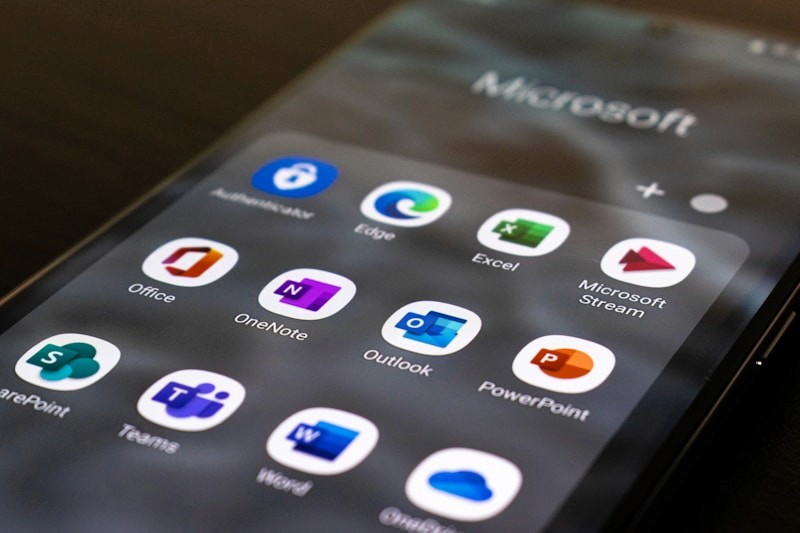
The right tools make it easier for teams to stay in touch wherever they’re working. Used well, Microsoft Teams, SharePoint and Viva can help people find each other, share news and feel part of the same organisation. Used badly, they become another source of noise.
At Aura, we believe technology works best when it’s built around the people who use it. If you’d like help making your collaboration tools work better for your teams, get in touch.
You might also like



Cookie Settings
We use cookies to enhance your experience, analyze site traffic and deliver personalized content. Read our Cookie Policy.
Blog
Why socialising at work matters, even in a hybrid workplace
Good relationships at work make teams happier, more open and better at solving problems together. Here's why socialising matters, and how to keep it going when your team works in different places.
Good relationships at work make teams happier, more open and better at solving problems together. Here's why socialising matters, and how to keep it going when your team works in different places.
Ask most people what makes a good place to work and they rarely start with the software or the office. They talk about the people. The colleague who helped them through a tough first week. The team that laughs together on a Friday. The manager who actually knows what’s going on in their life.
Socialising at work can look like a nice-to-have. In practice, it shapes how people feel about their job, how well they work together and whether they stay.
Why it matters
People who know each other work better together
When colleagues know each other, they ask questions sooner, share ideas more freely and sort out problems before they grow. A quick question to someone you’ve had lunch with feels easy. The same question to a stranger in another team can feel like an interruption, so it often never gets asked.
It supports wellbeing
Feeling part of a team is good for people. Work brings pressure, deadlines and the occasional bad day. Having people around who notice when you’re struggling, and who you feel comfortable talking to, makes those days easier to handle.
It helps people stay
People rarely leave a job only because of pay. A sense of belonging is one of the things that keeps them. Strong relationships make a team harder to walk away from and easier for new starters to join.
New starters settle in faster
Joining a new organisation is a lot to take in. Informal conversations are where people pick up how things really work, who to ask and what good looks like. Without them, onboarding takes longer and feels lonelier.
The hybrid working challenge
Hybrid and remote working have given people more flexibility, and most wouldn’t want to give it up. But the casual moments that build relationships, like the chat by the kettle or the walk to a meeting, don’t happen by accident on a video call.
That doesn’t mean connection is lost. It just needs a little more thought.
Practical ways to keep people connected
Make the most of office days. If people are coming in, plan something worth coming in for: a team lunch, a show and tell, or simply time together without back-to-back meetings.
Create space for non-work chat. A Microsoft Teams channel for photos, hobbies or weekend plans gives people somewhere to connect that isn’t about tasks.
Start meetings with people, not the agenda. A few minutes of catch-up at the start of a call makes a real difference, especially for colleagues working from home.
Pair up new starters. A buddy outside their immediate team helps new colleagues build a network from day one.
Support charity and community activity. Fundraisers, volunteering and sports teams bring people together around something bigger than the day job.
Keep it inclusive. Not everyone wants to go to the pub. Mix up the timing and type of activity so everyone has a way to take part.
Technology should bring people together
The right tools make it easier for teams to stay in touch wherever they’re working. Used well, Microsoft Teams, SharePoint and Viva can help people find each other, share news and feel part of the same organisation. Used badly, they become another source of noise.
At Aura, we believe technology works best when it’s built around the people who use it. If you’d like help making your collaboration tools work better for your teams, get in touch.
You might also like
Cookie Settings
We use cookies to enhance your experience, analyze site traffic and deliver personalized content. Read our Cookie Policy.